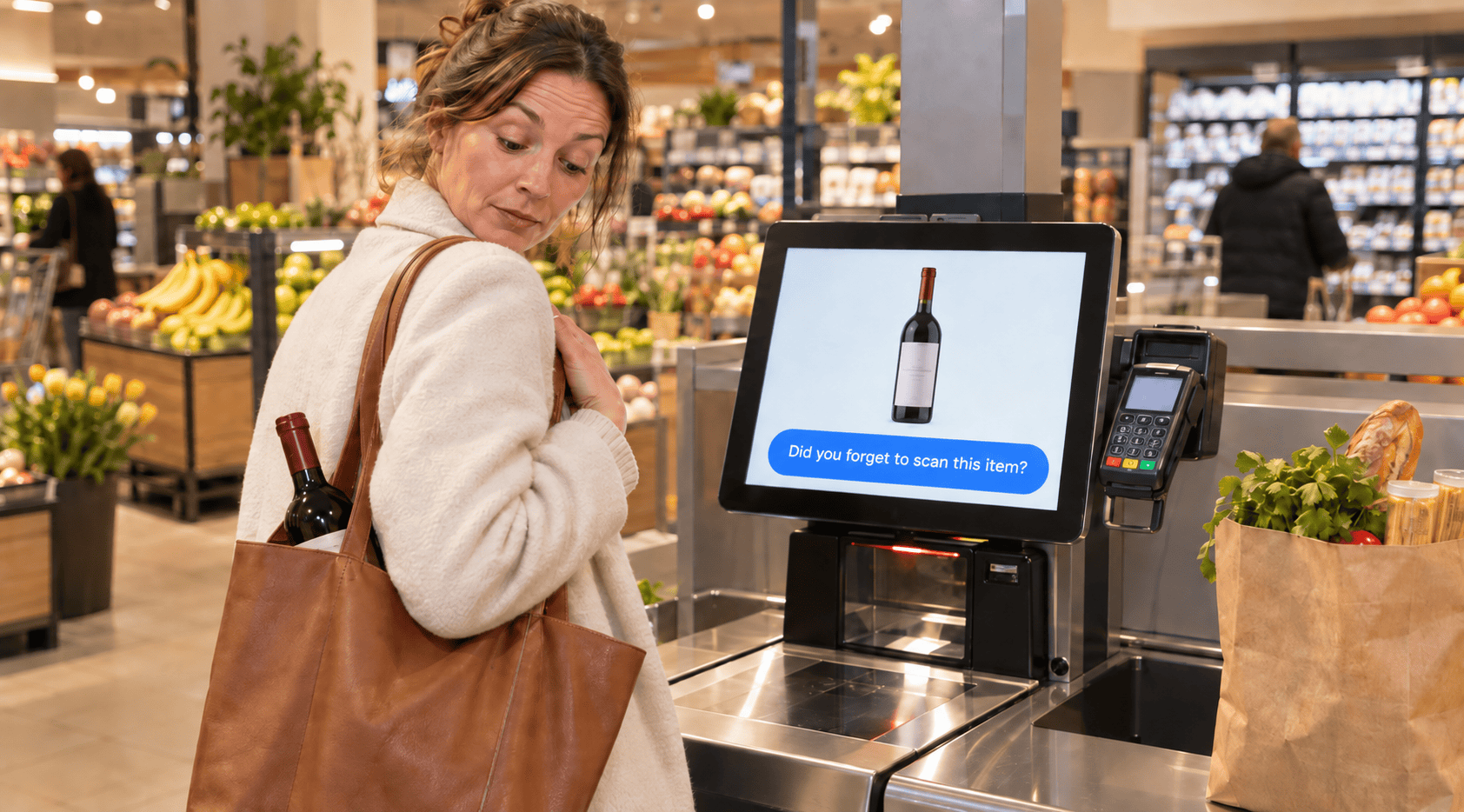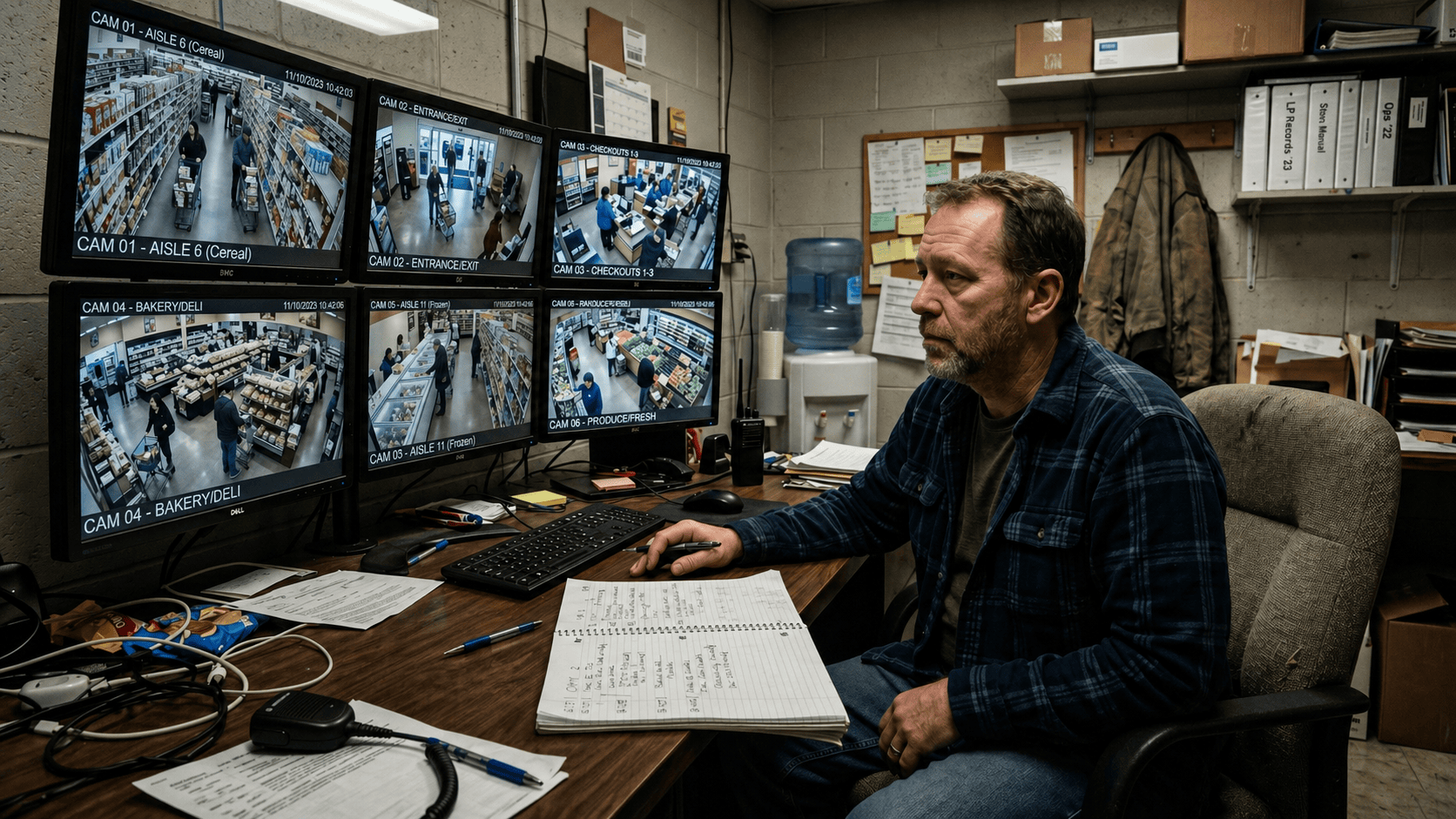

Economic downturns can quickly change theft patterns in ways historical loss data misses, which is why retailers need real-time visibility to the full frontend store instead of relying only on past trends or locked cases.
Key Takeaways
- Recession can change who steals, what they steal, and why, making standard loss prevention assumptions less reliable.
- The hidden problem is that historical loss patterns often lag behind behavior shifts, while blunt defenses like locked cases can hurt the shopping experience without fully stopping theft.
- The key implication is that retailers need a more proactive, real-time approach to spot emerging theft patterns before losses scale.
Recession can quickly reshape theft patterns
Recession does not just affect consumer spending. It can also change theft behavior in ways many retailers are not prepared for. With a recent Moody’s report citing that nearly half of US states are already in recession territory or close to it, retailers should expect theft patterns to shift.
- Retailers may see changes in who steals, when theft happens, and which products are targeted
- A strategy built for stable conditions may not hold up under recession pressure
That matters because the patterns you relied on before may no longer predict what happens next.
Recession theft trends can be highly specific and unexpected
During the US recession that began around 2008, theft trends shifted in unusual ways. Andrew Alpert, a criminal defense attorney, described the Tide for Drugs phenomenon, where large quantities of Tide were stolen across the US, sometimes amounting to tens of thousands of dollars in theft from a single product. As one of the top three detergent brands at the time, Tide’s universal appeal and usefulness made it a kind of currency for drug addicts.
Other examples cited from earlier recessions:
- Theft of copper wiring from old phone lines to sell as scrap
- Theft of newspapers to extract and use retail coupons
The lesson is simple: when economic pressure changes incentives, theft targets can shift in ways historical models do not anticipate.
Locked cases create friction but do not solve the full problem
One visible response has been to lock more products behind glass. But this approach creates a tradeoff between security and shopper experience. Shoppers often dislike waiting for items to be unlocked, and that undermines one of retail’s core advantages over ecommerce: instant gratification.
The problem is not just inconvenience. Locking a product does not fully prevent theft because a shopper can still take the item and later nest it inside another product, such as a trash can, before checkout.
What to know:
- A ModernRetail example described a viral TikTok showing mascaras worth less than $10 locked at Walmart
- Shoppers may wait well over 10 minutes just to access an item
- Retailers with locked cases are effectively intervening in every locked-item transaction, not just suspicious ones
So the real question is not whether you can restrict access, but whether you can see theft behavior as it actually happens.
Real-time computer vision gives retailers earlier visibility
Retailers need real-time visibility into emerging loss patterns. Netto, a large German multinational retail chain, used Trigo’s AI-driven computer vision to add transparency to loss prevention and support a more proactive strategy. The deployment also generated data-driven insights to optimize workflows, resource allocation, and future store concepts, and Trigo was recently awarded the Reta award in the artificial intelligence (AI) category highlighting that work.
Using retail trained computer vision AI focused on loss prevention Trigo can:
- Detect nested products
- Focus on specific products where theft is higher
- Provide real-time alerts, including when an item was not scanned at checkout
Why this matters:
A real-time approach helps retailers respond to changing theft patterns without relying on locked products as the main line of defense.
Bottom line
With nearly half of US states already in or approaching recession territory, the main risk is not just more theft, but faster-changing theft patterns. Retailers that rely on historical data and locked cases may stay stuck in reactive mode, while real-time computer vision offers a way to detect new patterns earlier, respond faster, and reduce loss without adding friction to every shopper journey.
Sources:
- https://www.axios.com/2025/10/09/trump-tariffs-immigration-recession-states
- https://andrewalpert.com/blog/five-years-later-the-tide-for-drugs-phenomenon/
- https://business.time.com/2011/09/30/5-weird-things-people-are-stealing-while-the-economys-in-bad-shape/
- https://www.modernretail.co/operations/retailers-are-upping-theft-prevention-tactics-at-the-expense-of-the-shopping-experience/